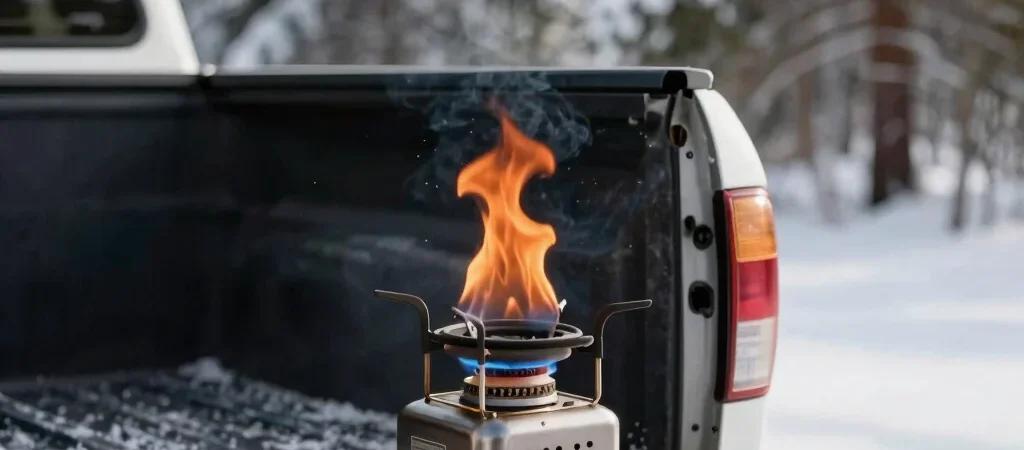
Sub-freezing mornings in the Canadian Rockies quickly reveal the limitations of standard canister stove setups. As ambient temperatures drop below freezing, standard butane-propane mix canisters lose internal vapor pressure, resulting in weak flames and cold coffee. Choosing the right stove system ensures hot meals when winter winds howl through camp.
Liquid Fuel Versus Canister Pressure
White gas stoves operate under manual bottle pressurization, delivering consistent heat output regardless of ambient air temperature. While priming liquid fuel burners takes practice and creates minor soot, their reliability in deep snow remains unmatched. Keep fuel bottles inside insulated packs overnight to prevent freezing air from chilling liquid lines.
Shielding Your Kitchen from High Winds
Freezing gusting winds strip heat away from cooking pots four times faster than cold air alone. Constructing a solid aluminum windscreen or utilizing your vehicle's aluminum tailgate provides a protected cooking surface. Placing an insulated wooden board under the stove base stops ice from melting and tipping hot liquids.
Caloric Efficiency for Winter Campsites
High-fat camp meals cooked in heavy cast iron or anodized pot sets help retain warmth during freezing meal prep. Pre-cutting meats and vegetables at home saves valuable water and time spent scrubbing frozen grease off cookware. Boil extra water during dinner service to fill thermal water bottles for winter sleeping bags.