
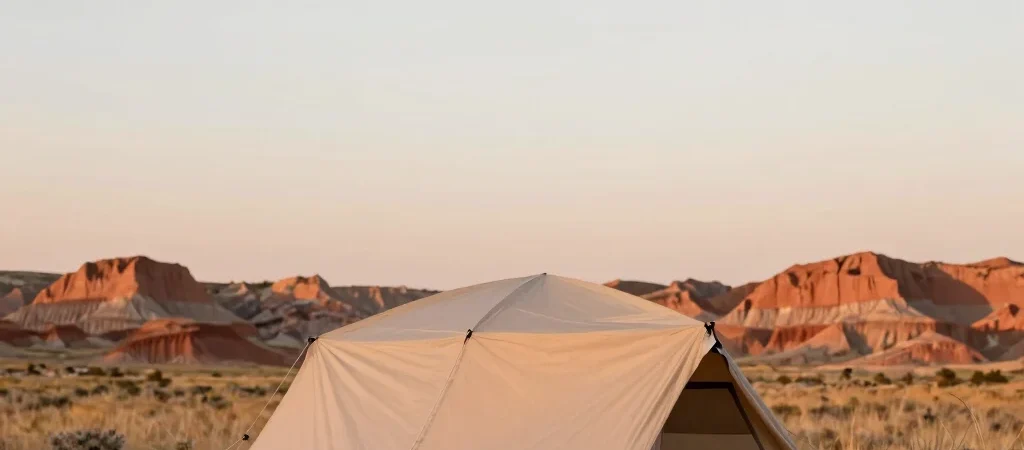
Public lands across the American West contain millions of acres where you can pitch a tent far beyond crowded fee-based campgrounds. Understanding Bureau of Land Management guidelines allows travelers to find pristine sites without causing damage to delicate high-desert crusts. Finding true solitude means respecting the land while remaining completely self-sufficient.
Identifying Legitimate Dispersed Sites
Look for established dirt pullouts and pre-existing fire rings rather than crushing fresh desert flora under vehicle tires. Campsites must be located at least two hundred feet away from isolated springs, cattle troughs, and natural river channels. Positioning your camp against natural sandstone formations provides crucial wind shelter during spring gusts.
Managing Waste in Arid Environments
Dry desert soils lack the micro-organisms required to break down organic waste quickly, making Leave No Trace practices critical. Pack out every scrap of trash, food residue, and used paper in sealed heavy-duty storage bags. Human waste must be buried in cat-holes six inches deep or carried out entirely in solid-waste bag systems.
Self-Reliance in Off-Grid Territory
Without piped water pumps or trash dumpsters, backcountry self-reliance demands thorough gear checks before leaving town. Double check your auxiliary battery levels, tire repair kits, and spare fluid supplies before driving past the land boundary sign. Reliable shade tarps and extra drinking water turn harsh rimrock exposure into a sustainable wilderness sanctuary.