
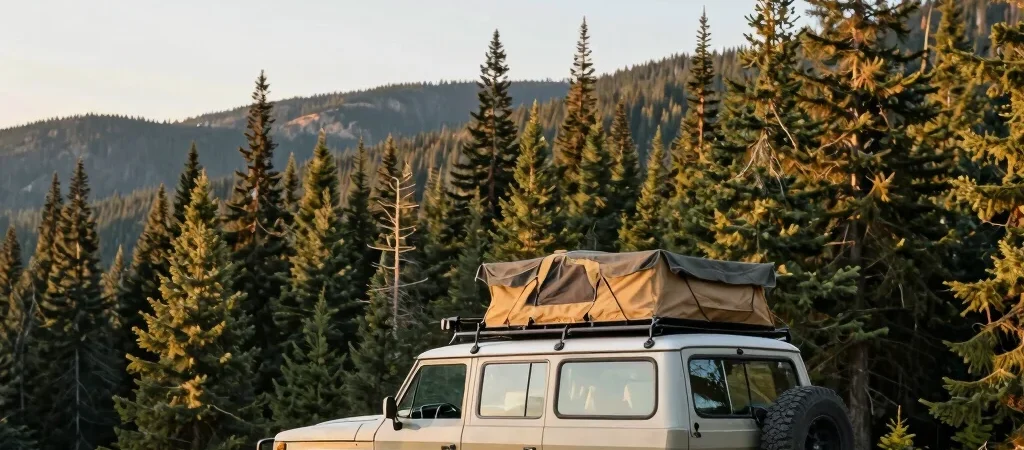
Leaving the asphalt north of Winthrop, the air thickens with dry pine needle scent and gravel dust. The northern leg of the Washington Backcountry Discovery Route tests suspension flex and tire sidewalls over fifty miles of unmaintained forest roads. Expect deep washboards, unexpected rutting from spring runoff, and zero cell reception past the valley floor.
Reading the Terrain and Track Conditions
Late summer storms often drop heavy timber across the narrow shelf roads winding around Slate Peak. Carrying a sharp bow saw and winch gear is mandatory for clearing fallen larch trees before reaching the pass. Airing down your tires to twenty pounds improves traction on loose shale while softening the harsh chatter of corrugation.
Establishing Dispersed High Camps
At six thousand feet, flat pullouts along the ridge line offer unobstructed views across the North Cascades wilderness. Water sources are scarce above the creek bed, requiring travelers to haul at least four gallons per person each day. Secure your canvas vestibule against sudden mountain downdrafts that sweep over the exposed saddles after sunset.
Essential Preparation for Remote Sections
Always download physical offline maps before heading up the canyon, as spur logging roads easily disorient uninitiated drivers. Keep satellite messaging gear updated with local ranger district contacts for unexpected wildfire road closures. Leaving precise itinerary details with a trusted contact ensures swift assistance if vehicle breakdowns occur miles from pavement.