The Rig

A movable home base built for rough roads

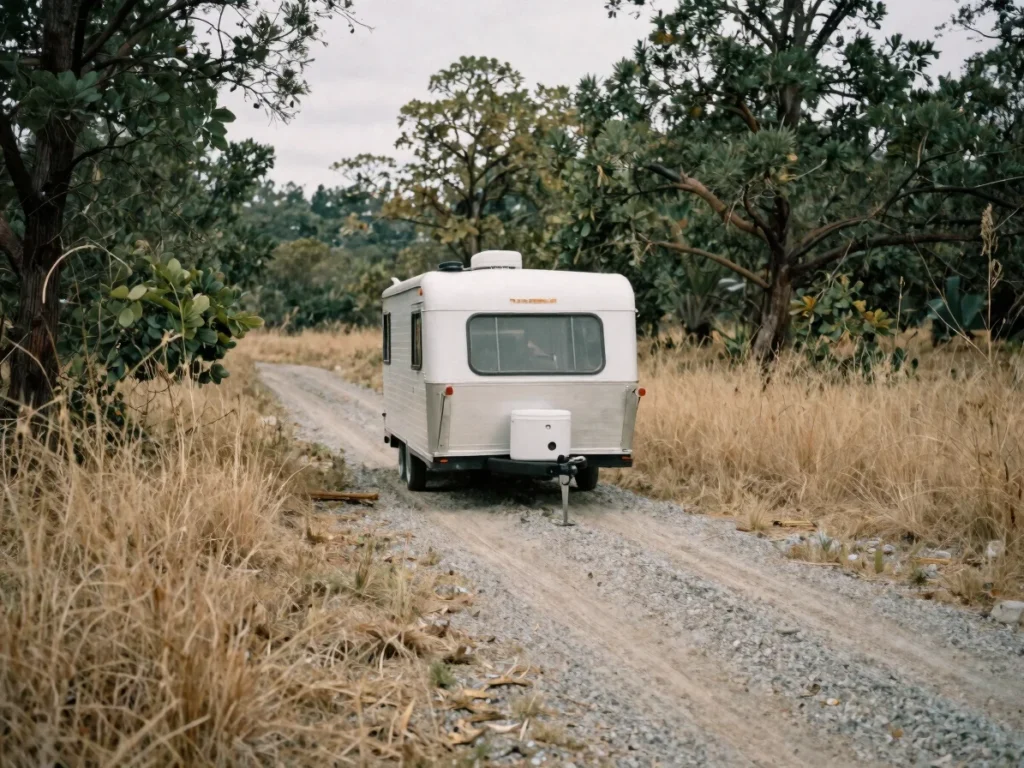
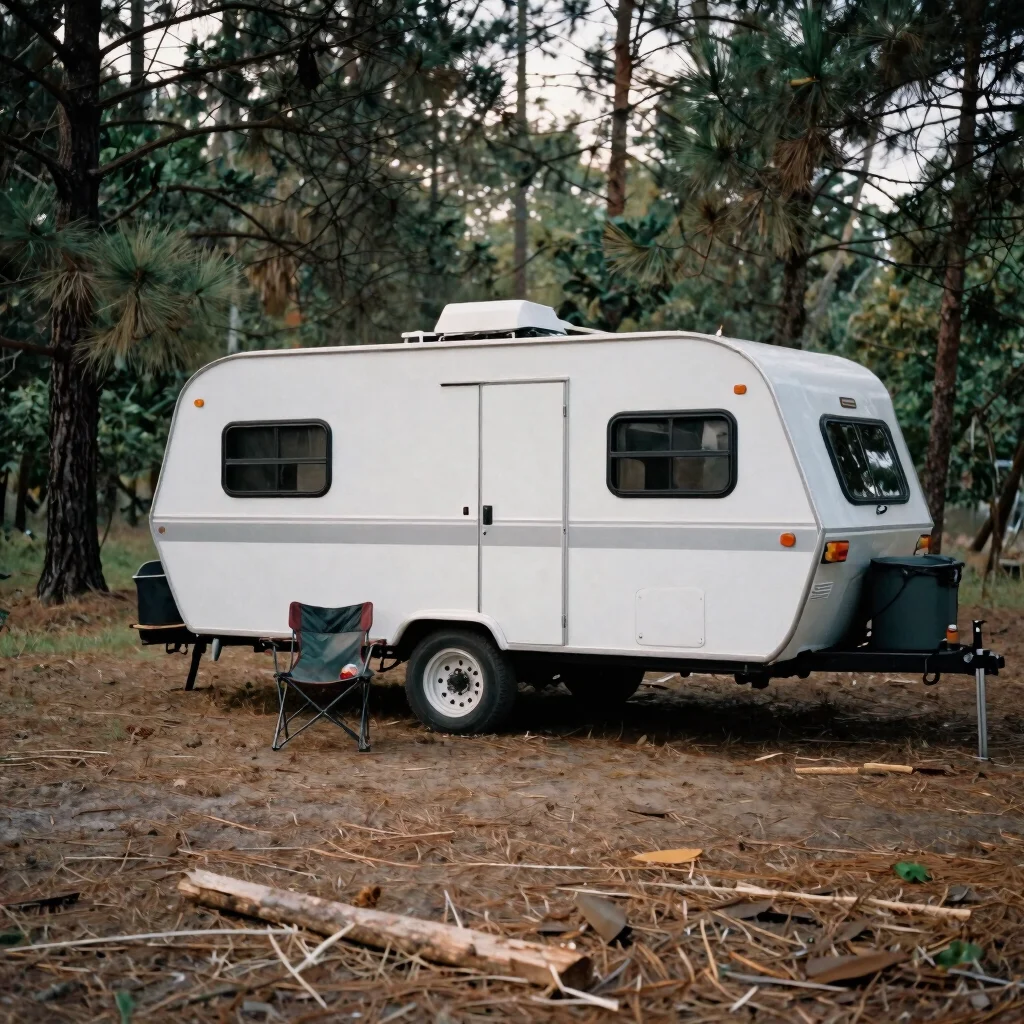
The trailer is the center of every trip here. Its frame, ground clearance, and overall footprint decide which campsites are reachable and how long I can stay off-grid before needing to move on.

I keep the setup deliberately simple so it stays manageable on forest service tracks, in wind, and at the end of a long day.

Systems

Power, kitchen, and suspension

Solar and battery power

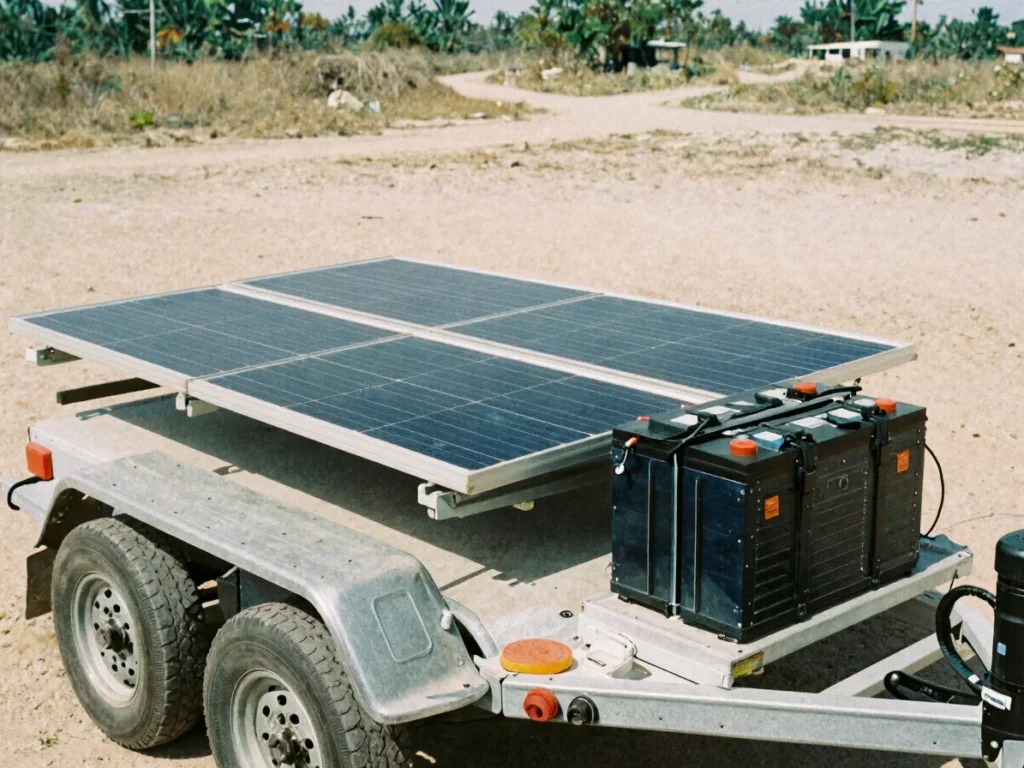
A solar array feeds a battery bank sized for several days of low-draw use. I track daily charge and draw to decide when to move or conserve.

Galley and water storage

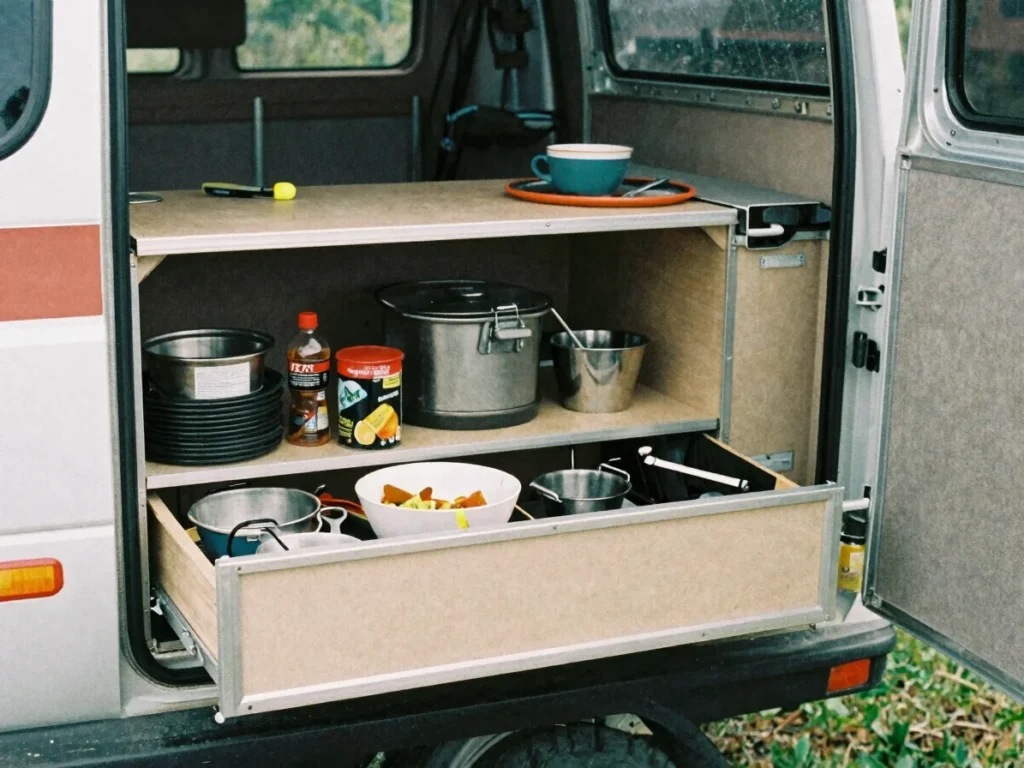
The galley is laid out around what I cook most often. Water is stored in a fixed tank with a separate container for drinking, so refills can be planned around each stop.

Suspension on rough track

Corrugated forest service roads shake everything loose. I check fasteners and suspension components after each stretch of washboard and adjust how I load the trailer to keep weight balanced.

Field Rules

Setup and breakdown, in order

This sequence was refined over repeated backcountry stops, where the order of small tasks decides how quickly the camp comes together and comes apart.

1. Level and stabilize

Check the pitch, set the leveling jacks, and chock the wheels before anything else moves.

2. Connect power and water

Switch the battery on, then fill the fixed tank only after confirming the drain valve is closed.

3. Open the galley

Unlatch the galley and lay out the cooking gear in the order I will use it that evening.

4. Reverse for breakdown

Secure loose items, retract the jacks, and recheck fasteners before the first mile of track.